Yarmouk Maps in My Heart
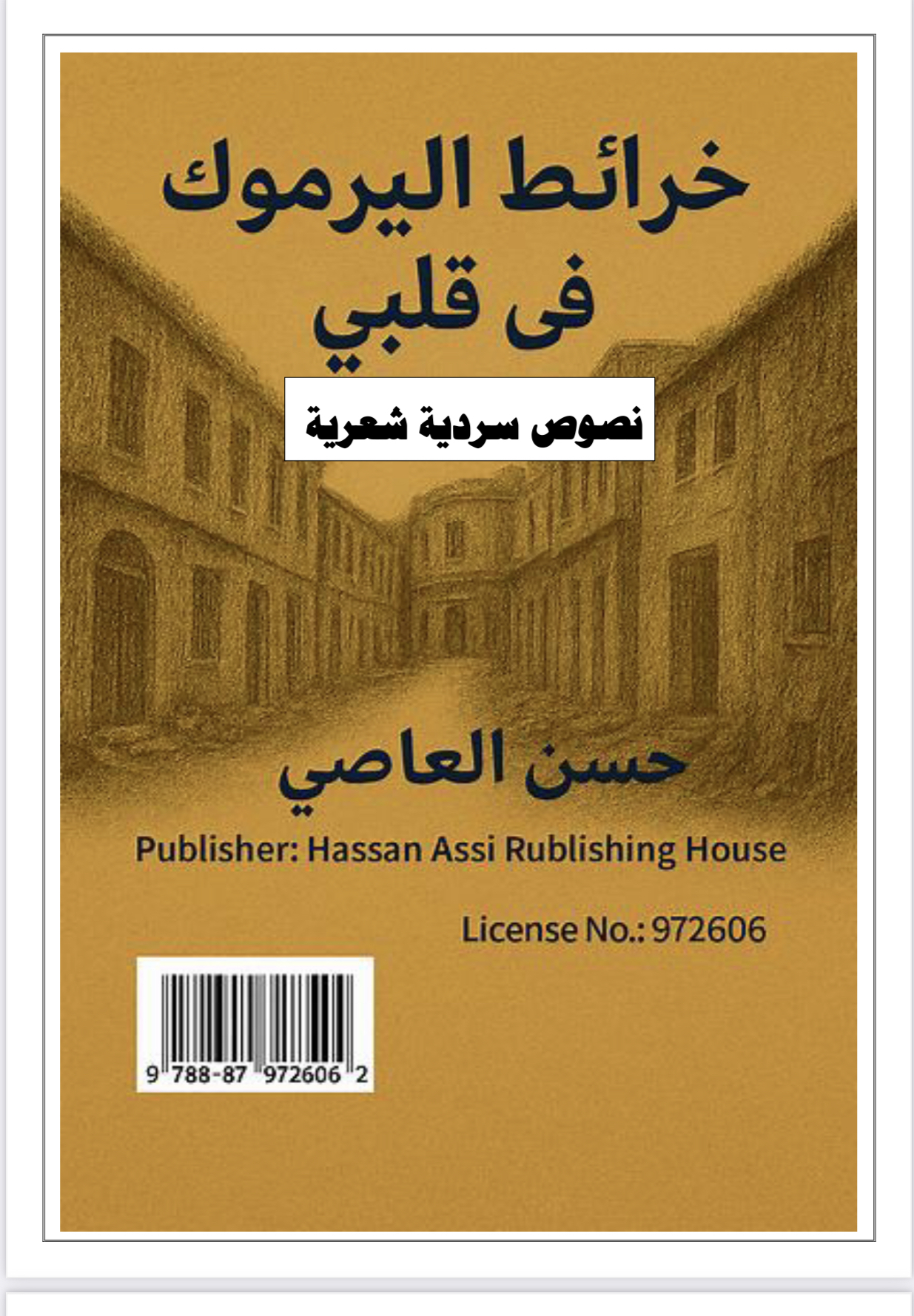
Why exactly "Maps of Yarmouk in My Heart" as a poetic narrative? It's the title that poet and academic Hassan Assi settled on, precisely what can intensify the symbolic burden of the question of alienation, the pain of nostalgia, and the wounds of memory. Even if we accept the mill of time that cut short twenty-six years of Hassan Assi's residence in Denmark, this fact in itself failed to erase a treasure trove brimming with nostalgia, its joints swollen with intense love and passion burning with the groans of memories and the silence of the bygone years that Brother Hassan spent with members of his small family and his large Palestinian clan in the Yarmouk camp there, near Damascus, as refugees are haunted by the dream of returning to Palestine. These are the people who possess the same key, hanging on their chests, its genes preserved in hearts, passed down through generations, its marks engraved on maps, photos, and paintings, as a testament to a homeland, a people, and an identity. The choice of poetry to narrate the motives of nostalgia is apt, given that this literary genre is characterized by a profound expression of longing and yearning for homelands and past memories. This nostalgia oscillates between the pleasure of recalling and the pain of losing what once was and is no longer present. Here, primarily, the power of language operates, myth moves, and imagination roams to embrace everything, including the fleeting moments that shape the poet's identity and imbue it with the logic of eternity and perpetuity, as our poet did in his lavish collection "Maps of Yarmouk in My Heart," spanning fifty-seven poems. I see each one as a necklace resisting a time that wants to pass but is never over, where the impact is resistant to obliteration, when it sits on the throne of language through which poetry liberates conscience and feelings from the usurping Israeli occupation of the cause of causes "stolen Palestine." Therefore, there is no difference or disagreement between someone who writes a poem, edits a word, or draws a metaphor, and someone who carries a gun or throws stones in the face of the criminal entity. Both are on the front line of defense. Writing is an act of resistance that seeks to prevent the destruction of memory and resist the oblivion for which global Zionism mobilizes money, media, and equipment daily, in addition to turning life and construction into ruins.
Further Reading
Upcoming Events
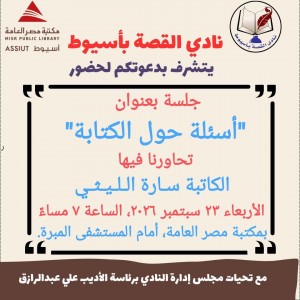
Questions about writing
September 23, 2026
The Assiut Story Club invites you to a session tit...
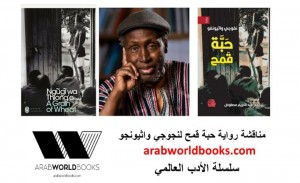
Online discussion of A Grain of Wheat by Ngugi wa Thiong'o
October 20, 2026
Join us for a special discussion of A Grain of Whe...
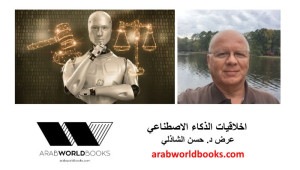
Artificial Intelligence: Ethical Concerns
May 23, 2026
This presentation took place on May 23rd, 2026. Yo...
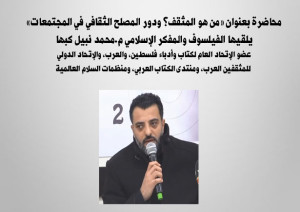
?Who is the intellectual? And what is the role of the cultural reformer in societies
April 13 - 15, 2026
محاضرة يلقيها الفيلسوف والمفكر الإسلامي م.محم...