Lilith and Hail
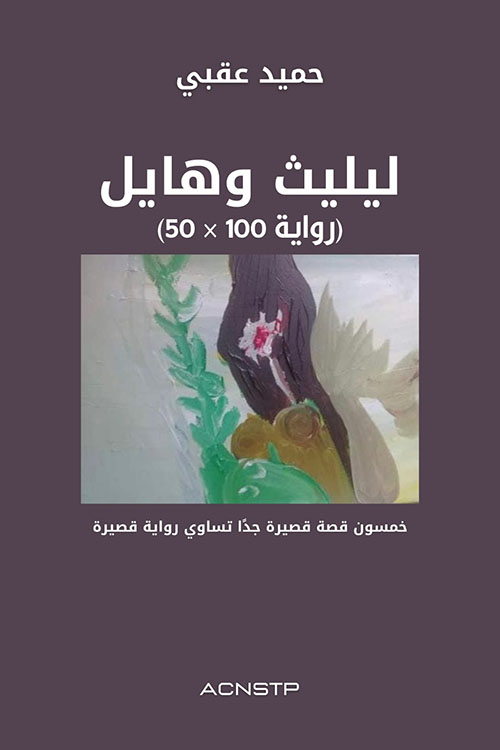
Lilith and Hail is a short experimental novel by the Yemeni filmmaker and writer Hamid Oqabi. The story feels like an existential horror film, where reality mixes with the supernatural. The novel is written in a rare form: 50 very short chapters, each only 100 words. This fast and sharp style makes the reading tense and cinematic.
The story begins with a shocking moment. Hail, the main character, wakes up and realizes that he is dead or almost dead. He is trapped in a strange space between life and death. He hears medical machines, doctors’ voices, and feels his body being controlled. The hospital becomes a place of fear, not healing. The real horror here is not monsters, but the fear of existing without knowing if you are truly alive.
Then Lilith appears. She is mysterious, strong, and protective. She saves Hail and takes him on a dangerous journey away from death and surveillance. Together, they travel through deserts, dark forests, strange creatures, and deadly traps. Their journey looks like a dark fantasy game or a nightmare world full of danger and symbols.
Hail slowly starts to change. He is no longer only weak and silent. He tries to understand, to choose, and to act. The dog Theodor becomes a symbol of loyalty and protection. The bald child becomes a sign of lost memory, lost identity, and the distant pain of Yemen and war. Lucifer and his followers represent power, control, and endless punishment.
The novel asks deep questions about life, death, fear, and freedom. It is a horror story, but also a story of survival and hope, about trying to return to life after seeing its darkest side.
Further Reading




Upcoming Events
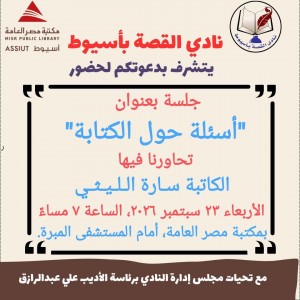
Questions about writing
September 23, 2026
The Assiut Story Club invites you to a session tit...

Online discussion of A Grain of Wheat by Ngugi wa Thiong'o
October 20, 2026
Join us for a special discussion of A Grain of Whe...

Artificial Intelligence: Ethical Concerns
May 23, 2026
This presentation took place on May 23rd, 2026. Yo...
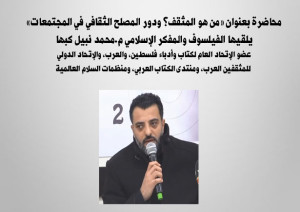
?Who is the intellectual? And what is the role of the cultural reformer in societies
April 13 - 15, 2026
محاضرة يلقيها الفيلسوف والمفكر الإسلامي م.محم...