Palestine in the Modern Arab Imagination: Narratives of Identity and Memory
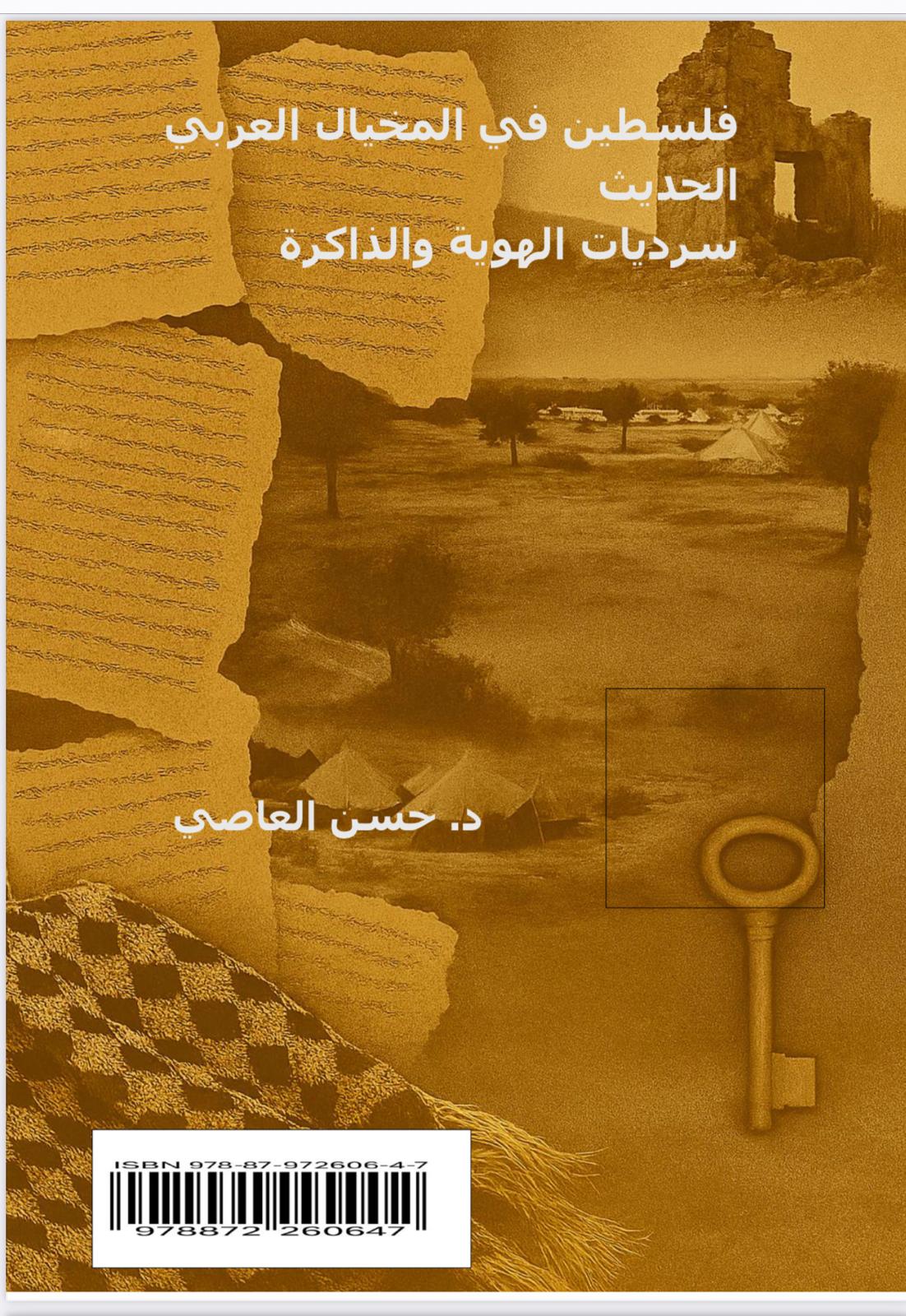
Introduction: Palestine as an Emotional Pulse
Before Palestine became an item in summit declarations, it was sung at weddings, told in stories, written in students' notebooks, and drawn on school walls. Before Palestine became a diplomatic issue, it was a picture hung in grandmothers' rooms, a name given to newborns, and a prayer recited during dawn prayers.
In the Arab world, Palestine was not merely a political issue; it was an emotional one, embedded in the details of daily life and expressed in songs, stories, proverbs, names, and visual symbols that adorned walls, notebooks, and hearts.
Popular culture, sometimes viewed as marginal or entertainment, was in fact a mirror of the collective conscience and a window into people's feelings, their values, and their dreams for the future. In the Arab context, Palestine has been present in this fabric since the beginning of the twentieth century, not as a "political issue," but rather as a moral, religious, and emotional symbol expressing truth, heroism, and dignity, and embodying the collective dream of liberation and belonging.
In Morocco, as researcher Abdullah Saaf points out, solidarity with Palestine was not solely linked to political positions; it was also rooted in everyday culture: in song, prayer, murals, and the collective memory that sees Palestine as an extension of Arab dignity. In Syria, as Muhammad Jamal Barut explains, Palestine was the symbol that united Arabs when the unifying nation-state was absent. It became a shared dream, an undying heroism, and an invincible conscience.
Palestine, in popular culture, was not "the cause of others," but rather "our cause," expressing itself in everything that was everyday, simple, and profound. From the songs sung by mothers, to the stories told before bed, to the names of children entrusted to them, Palestine was present, not as a geography, but as a living conscience that never fades, even when politics obscures it.
Before Palestine became a political issue discussed by governments and debated in conferences, Palestine was in the heart of the average Arab, a symbol of truth, dignity, and sanctity. In its beginnings, the Palestinian cause was not merely a border dispute or an international conflict.
In this book, we attempt to redraw the image of Palestine as it appeared in the Arab conscience, before it was distorted by political calculations, before it was burdened by alliances, and before it was reduced to official statements. We seek the Palestine that resided in hearts, not the one discussed at summits.
Further Reading
Related Books
Upcoming Events

Questions about writing
September 23, 2026
The Assiut Story Club invites you to a session tit...
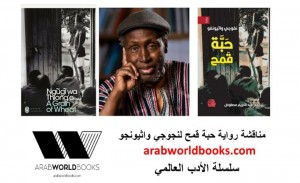
Online discussion of A Grain of Wheat by Ngugi wa Thiong'o
October 20, 2026
Join us for a special discussion of A Grain of Whe...

Artificial Intelligence: Ethical Concerns
May 23, 2026
This presentation took place on May 23rd, 2026. Yo...
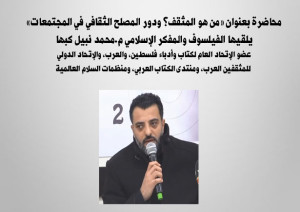
?Who is the intellectual? And what is the role of the cultural reformer in societies
April 13 - 15, 2026
محاضرة يلقيها الفيلسوف والمفكر الإسلامي م.محم...