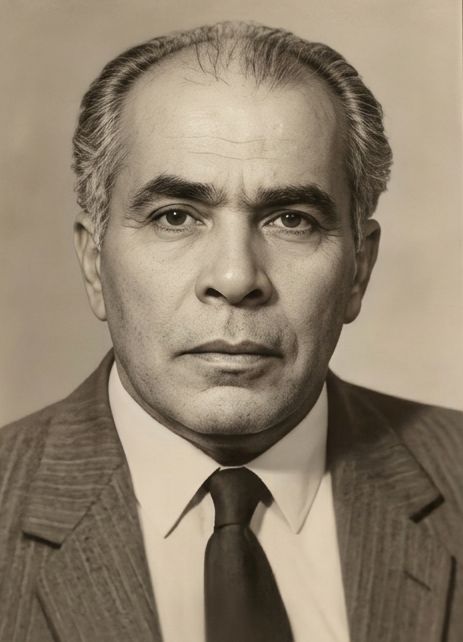
One of the pioneers of Egyptian radio who left an indelible mark, he was the first to present Arabic dramas on Egyptian radio and the first to introduce science fiction to its airwaves. With his progressive thinking, he was able to present social dramas and scientific programs in an unconventional style, making him one of the most famous broadcasters of his time.
Ihab Mohamed Abbas Al-Azhari was born in the Abbasiya district of Cairo on August 15, 1924. He earned a Bachelor of Arts degree in English Literature from Alexandria University in 1949 and further honed his talent by obtaining a postgraduate diploma from the Radio and Television Institute and the Television Institute. He began his career as an English teacher for the Ministry of Education, then turned to his first love, radio, after passing his first civil service exam in 1953. He was appointed to the General Program, working as an announcer and director, and spent nearly 45 years in radio broadcasting.
Radio Pioneering and Innovation:
He was the first to present Arabic dramas on Egyptian radio, starting with "Sudan Corner" with series such as "Tala'i' Al-Nour" (The Pioneers of Light), "Intisar Al-Nour" (The Victory of Light), and "Nour Fi Qalbi" (Light in My Heart).
Ihab Al-Azhari is considered the first to introduce science fiction to radio, a completely new format at the time, which aimed to simplify science.
He conceived the "On Air" program, which remained a staple on the radio schedule for over 35 years and was adopted by many Arab radio stations. He also pioneered the "Open Program" format for the first time on Sudan Corner Radio. Ihab Al-Azhari's talent blossomed in weekly programs such as "Dear Listener" and "Dear Human," and among his famous programs are "Fear is Forbidden," "Dear Fasting Person," "The End of the Story," "Man's Journey to the Moon," and "A Window on Knowledge."
He also conceived the innovative idea of presenting Quranic recitations "in the announcer's voice," an idea later implemented by the artist Mohamed Al-Toukhy in private studios.
He translated and directed some foreign works for radio, such as "Resurrection of a Life" by William Saroyan and "The Man from the Sea" by Mabel Costanduros.
Positions and Academic Roles:
He managed Sudan Radio, then founded and managed The Youth Radio channel for ten years.
He held senior leadership positions, including Undersecretary of the Ministry of Information for Planning at the Radio and Television Union, and Undersecretary of the Ministry of Culture for Foreign Cultural Relations.
He shared his expertise with new generations as a professor and lecturer at the Radio and Television Institute, the Institute of African Journalists, and the Higher Institute of Theatrical Arts.
Literary and Artistic Contributions:
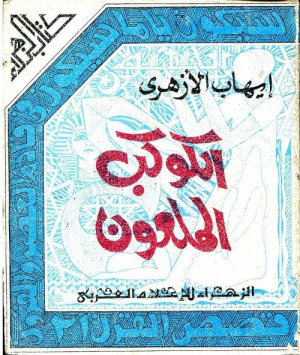
* In Science Fiction: He is best known for his novel "The Cursed Planet" (1987), which envisioned space travel in ships built by the pharaohs, depicting the struggle of human values against oppressive technology through the story of a king who controls the oxygen on Mars.
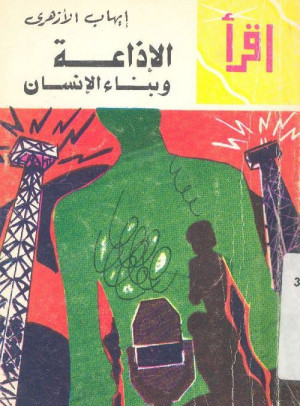
* In Radio Broadcasting: He published his important book "Radio and Human Development" (1978), which he wrote in a radio style that combined entertainment and educational value to challenge deeply ingrained ideas.
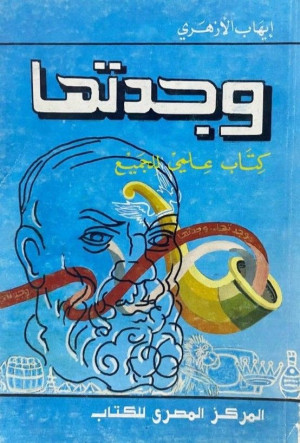
* Other Works: (People Follow the Religion of Their Radio Station, Dear Caliph of God, The Child's Right to Intelligence, It Will Be, Once Upon a Time, Tom Thumb inside the Human Body, Tom Thumb's son in the Human body and the Young Hero.)
* In Cinema and Television: He wrote the screenplays and dialogues for famous films such as (The Wife He wrote the television series "Five Men," "Life is Sweet," "Espionage and Love," and the theatrical series "Fear is a Complex Inferiority," as well as the play "The Wife Killer," in addition to his famous social drama series "The Mill."
Honoring and Passing:
He represented Egyptian Radio at numerous Arab and international conferences, and in recognition of his contributions and distinguished career, he was awarded the Presidential Medal.
He passed away on July 1, 1997, leaving behind a significant creative legacy in the history of Egyptian media.