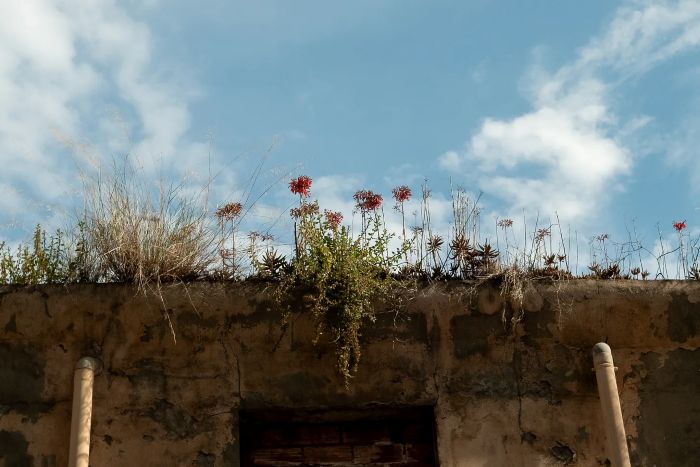
There’s a common saying among street photographers that borders on cliché: I use photography to find beauty in the mundane. I use that phrase myself sometimes and even believe it but I find it generic and conceptual. What is beauty, what is the mundane and what are we trying to find exactly?
I recently saw the film Perfect Days and felt that it represents this idea quite well. It felt like it describes this quest of finding beauty in the mundane.
 The film tells the story of Hirayama, a toilet cleaner in Tokyo, who lives in a predictable routine: the same wake up time, the same work, and the same restaurants… And he is perfectly content doing so. The film is hard to describe as a sequence of events because it’s mostly ordinary. To me, it can only be understood as life happening. This description from Wikipedia explains what I mean:
“He repeats his structured, repetitive routine each day, starting at dawn. His pride in his work is apparent by its thoroughness and precision. He dedicates his free time to his passion for music cassettes, which he listens to in his van to and from work, and to his books (Faulkner, Kōda, Highsmith), which he reads every night before going to sleep. His dreams are shown in flickery impressionistic black-and-white sequences at the end of every day. Hirayama is also fond of trees and spends time gardening and photographing trees. He eats a sandwich every day in the shade under trees in the grounds of a shrine, and takes film photos of their branches and leaves and the ‘Komorebi’ (木漏れ日) – sunlight filtered by the leaves.”
Throughout the movie, we can see Hirayama paying attention to the small moments and looking content: the trees, the smile exchanged with a stranger while eating lunch, or the game of XO played with a stranger through notes left in a bathroom stall. There are no big events. During the first half, I kept waiting for something to come disrupt his routine and that doesn’t quite happen (or maybe that depends on how you inteerpret the ending which I will leave for you to decide). It’s precisely this absence of big events that make the film special.
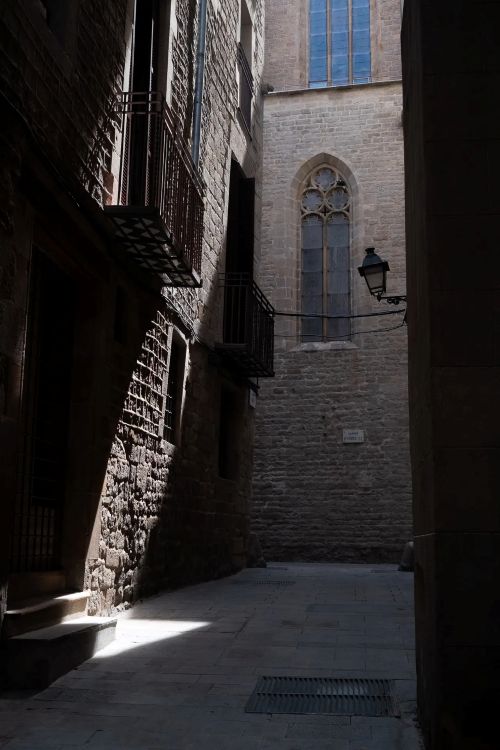
Hirayama is also a photographer. He mainly photographs the same trees during his lunch break with a small Olympus mju. He doesn’t spend his days hunting for decisive moments or dramatic light. He photographs the small things he’s already paying attention to. Perhaps that’s what finding beauty in the mundane looks like: noticing the same trees in different light and appreciating the significance of the moment.
I don’t know which came first in Hirayama’s case, the photography or his ability to notice, but in my experience they’re difficult to separate. It’s a loop: the more I photograph small moments I appreciate, the more I see them, even if I don’t have a camera. Photography teaches our eyes to see more, and that keeps going even when the camera is not. So if I had to revist the cliche, I would say this: photography doesn’t help you find beauty in the mundance, but trains you to stop missing it
You can follow Youssef at youssefyoussef.com